

welcome to your ritual with intention
This space brings together mindful rituals and guided meditations designed to help you pause, breathe, and reconnect with yourself, even amidst your daily routine.
Through consistent practice, the ritual establishes a sensory anchor between the aroma and a state of well-being. By integrating the soap, the oil, and the guided meditations, the body memorizes this experience. Over time, carrying the oil with you allows you to consciously return to that state whenever you need to.
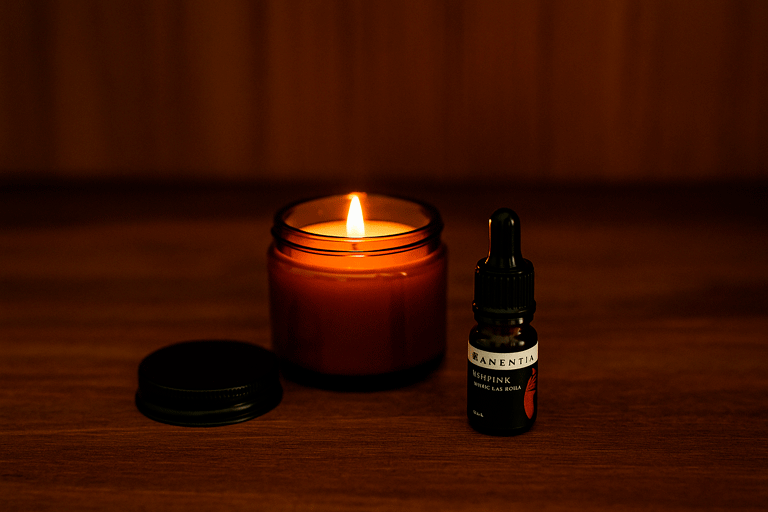
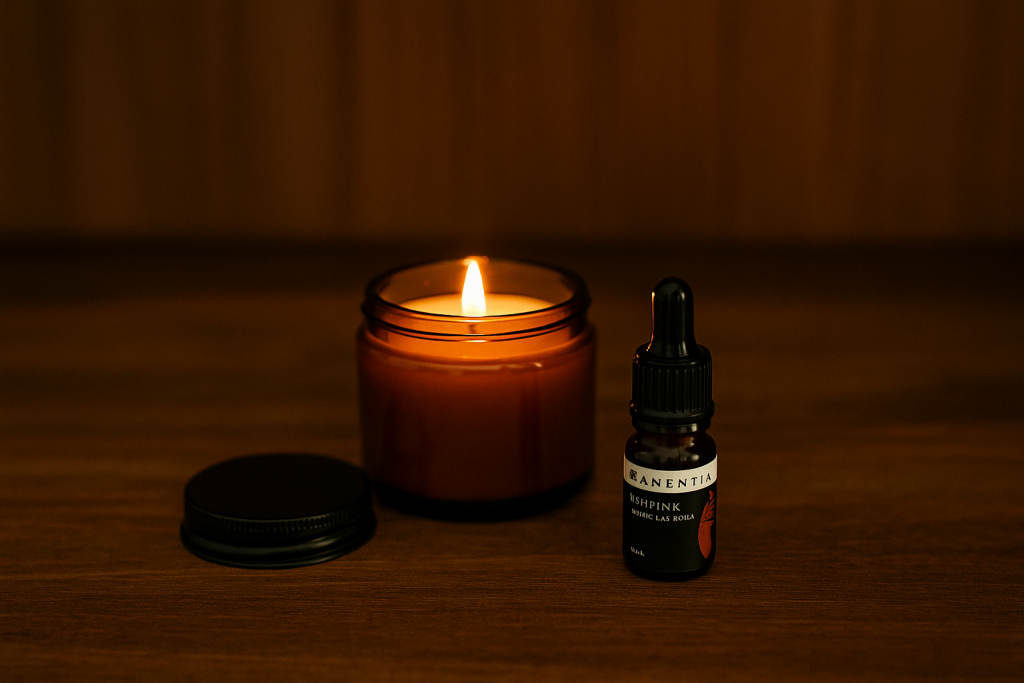
How to use: Apply the oil to the palms of your hands while practicing the breathing/meditation. Add a few drops to the melted candle so the aroma infuses the wax. Use the soap to complement your mindful shower.
INTRODUCTION TO BREATHING
This video is a reference for basic conscious breathing.
Breathe only through your nose, with your tongue resting on the roof of your mouth and your jaw relaxed.
As you inhale, gently expand your lower rib cage.
As you exhale, let your torso return to its resting position and your body relax.
If you find it difficult to engage your diaphragm, allow your abdomen to expand as you inhale.
With practice, your breathing will become deeper and more natural.
This first exercise prepares your breath, your attention, and your body. All the exercises in the ritual will be performed with deep, conscious breaths.
Recommendation: Familiarize yourself with this technique first before continuing with the meditations.
PERFECT BREATHING
BREATHE WITH INTENTION
This technique is called perfect breathing in biology. Its goal is to maximize the amount of oxygen that remains in the body, improving energy, calmness, and decision-making.
Unlike normal breathing—12 to 13 times per minute, in which much of the oxygen is wasted—this practice consists of inhaling through the nose for 5 to 6 seconds and exhaling through the nose for the same amount of time, continuously and effortlessly. This rhythm, in addition to maintaining an optimal balance of oxygen and carbon dioxide in the blood, has a direct impact on the autonomic nervous system. With conscious breathing, we stop operating on “autopilot” and can activate or relax the body according to our needs.
When breathing through the nose, the air is filtered, humidified, and warmed, which facilitates more efficient gas exchange in the lungs. Furthermore, the nasal airflow gently stimulates the ventral vagus nerve, generating a calming effect on the organs and promoting relaxation.
Among its benefits are increased energy efficiency, a state of calm and presence even in everyday activities, and improved decision-making: when the heart rate exceeds 120 beats per minute, the body enters a state of stress and mental clarity decreases, making breath control key. In fact, conscious breathing is considered the third practice with the strongest scientific evidence for its positive impact on physical and mental health, after exercise and meditation.
With consistent daily practice, the benefits begin to be felt in 2 to 3 weeks, with increased energy, reduced fatigue, and improved physical and mental performance, both in daily life and in high-level sports.
Reference: Based on the teachings of Estanislao Bachrach, PhD in Molecular Biology from the University of Montpellier.
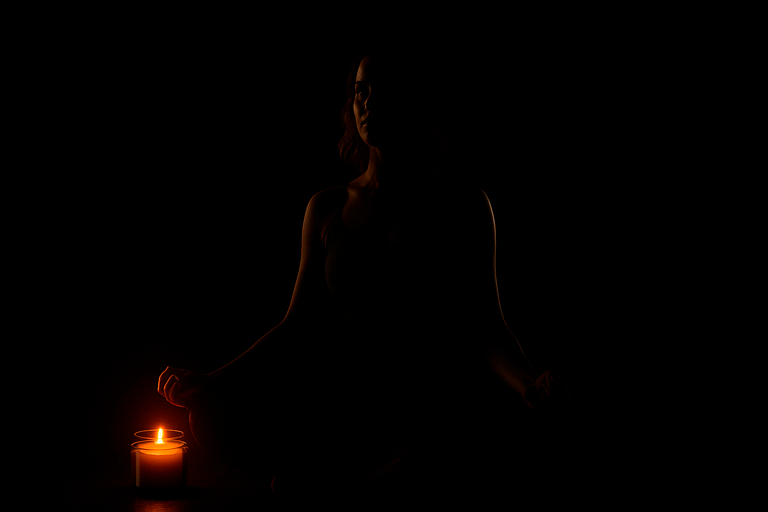
PHYSIOLOGICAL SIGH
BREATHE WITH BALANCE
The physiological sigh is a natural and scientifically studied breathing technique for reducing stress and anxiety in just a few seconds. It consists of taking two consecutive inhalations through the nose (one deep and one shorter) followed by a long, slow exhalation through the mouth.
This breathing pattern occurs spontaneously in the body, for example, during deep sleep, and helps to re-expand the alveoli in the lungs, improve oxygenation, and release accumulated carbon dioxide.
Practicing it voluntarily two or three times in a row promotes the activation of the parasympathetic nervous system, reduces excessive alertness, and generates a rapid feeling of calm.
Fun fact: If all the alveoli in the lungs were unfolded, their surface area would be equivalent to the size of a tennis court.
Reference: Based on explanations by neuroscientist Andrew Huberman (Stanford University).
VIPASSANA TECHNIQUE
MEDITATE BRIEFLY
Vipassana means “seeing things as they are” in Pali. It is one of the oldest meditation techniques in India, attributed to Siddhartha Gautama Buddha more than 2,500 years ago.
Its purpose is to cultivate mindful and equanimous awareness of bodily sensations and mental processes, observing without attachment or aversion. Through this conscious scanning of the body and mind, the capacity to understand the impermanence of all experiences is trained.
Over time, Vipassana spread from the Buddhist tradition to the secular world, and today it is practiced worldwide in intensive silent retreats, considered a profound tool for self-knowledge, emotional regulation, and liberation from suffering.
The Vipassana technique has been extensively studied by various universities around the world and has the following physiological effects:
- It relaxes the nervous system (parasympathetic)
- The brain reconfigures itself towards greater emotional control and less anxiety (neuroplasticity)
- It improves interoception and the mind-body connection
- It reduces the perception of pain and physical stress
- It promotes mental clarity and decision-making
PSYCHOMAGIC SHOWER
Purify your body
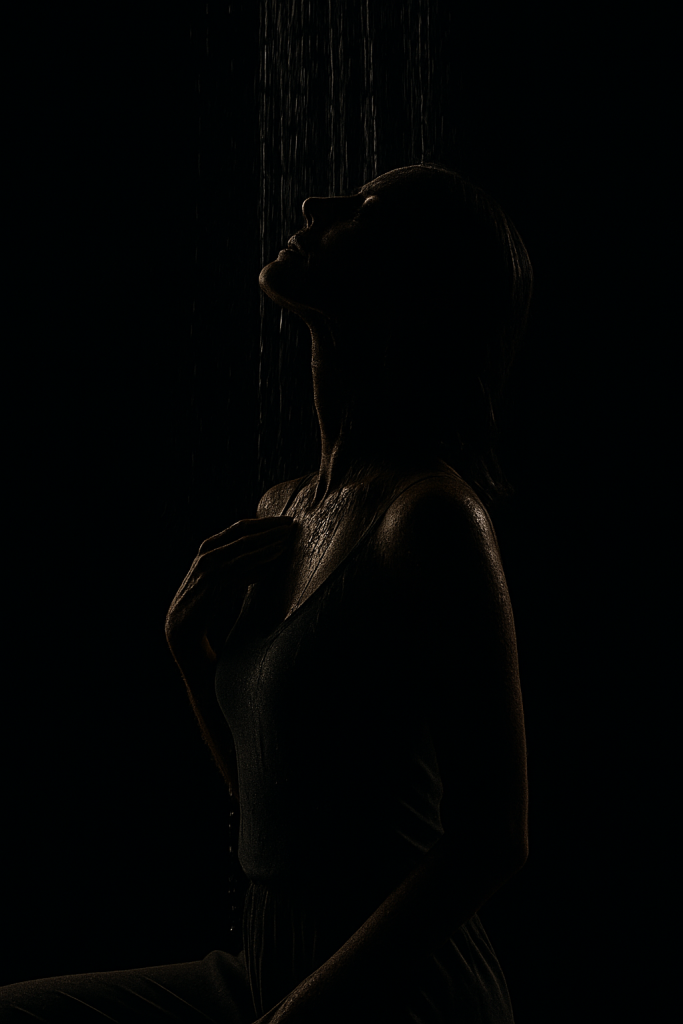
This is a conscious ritual of energetic and emotional purification that transforms an everyday act, like taking a bath, into an experience of healing and reconnection with yourself.
Beyond physical cleansing, this practice stems from the idea that the body holds memories, tensions, and emotional burdens that can be released through intention, presence, and symbolism. Inspired by techniques of psychomagic, somatic meditation, and mind-body connection, the shower becomes a channel for letting go, renewing, and awakening.
Each part of the body represents an inner aspect. By focusing on each area and repeating specific affirmations, you not only cleanse your body but also reprogram your mind and release your energy field.
It is a simple, accessible, and powerful ritual. You can perform it whenever you feel the need to release burdens, at the beginning or end of a cycle, or simply as an act of self-love.
Take these minutes as a gift to yourself. Breathe. Be present. And allow the water not only to wash your skin, but for each bath to be a deep purification of your body, mind, and spirit.